REALITY.REIMAGINED.

Optics · AI · Reality

Advanced optics for wearable
glasses & computing

Orange is building the optical infrastructure for AI‑native spatial glasses & computing, combining patented PVH optics, single-imager architecture, and wearable display systems.

Why AR has not scaled

The bottleneck is infrastructure, not demand

Spatial computing has waited on optics, weight, power, cost, and display architecture. Orange is built around the technical layer that has kept wearable computing from becoming a platform.

Optical Efficiency

Outdoor visibility depends on how much light reaches the eye. Conventional waveguide architectures lose too much brightness for always-available computing.

Wearable Weight

The next computing platform has to disappear into daily use. Heavy optics keep AR hardware trapped in demonstrations and narrow enterprise workflows.

Display Quality

Spatial computing needs full-color, readable, high-refresh visuals that can support AI assistance, navigation, recognition, and professional workflows.

Cost Architecture

Consumer adoption and enterprise deployment both require a different bill-of-materials logic, not just better industrial design.

AI Interface Gap

AI needs a real-world interface. Phones and laptops are not enough for contextual computing in the field, in motion, and at work.

Platform thesis

The optical layer for AI‑native spatial computing

Orange is not a consumer gadget story. It is a platform story built around defensible optics, display architecture, and wearable computing infrastructure.

Optical Efficiency

Proprietary patented PVH optics deliver high brightness and efficiency, built for always-available outdoor visibility.

Wearable Weight

Lightweight and comfortable, designed to look and feel like a typical pair of glasses for all-day wear.

Display Quality

Full-color dual-screen display at a smooth 120Hz refresh rate, engineered to blend seamlessly with the outside world.

$129–$199

Cost Architecture

PVH reduces optical complexity and power draw, enabling a consumer retail price of $129–$199.

AI Interface Gap

A leap in hardware, designed from the ground up to be the AI‑native wearable interface.

Advanced optics. Wearable computing.
Spatial infrastructure for the AI era.

How it works

Breakthrough optics. Built-in intelligence

PVH optics

A generational leap in wearable displays

One breakthrough optic. Two vivid displays. Double the visual experience at the same power cost as conventional AR glasses.

Wearable compute

The interface layer for real-world AI

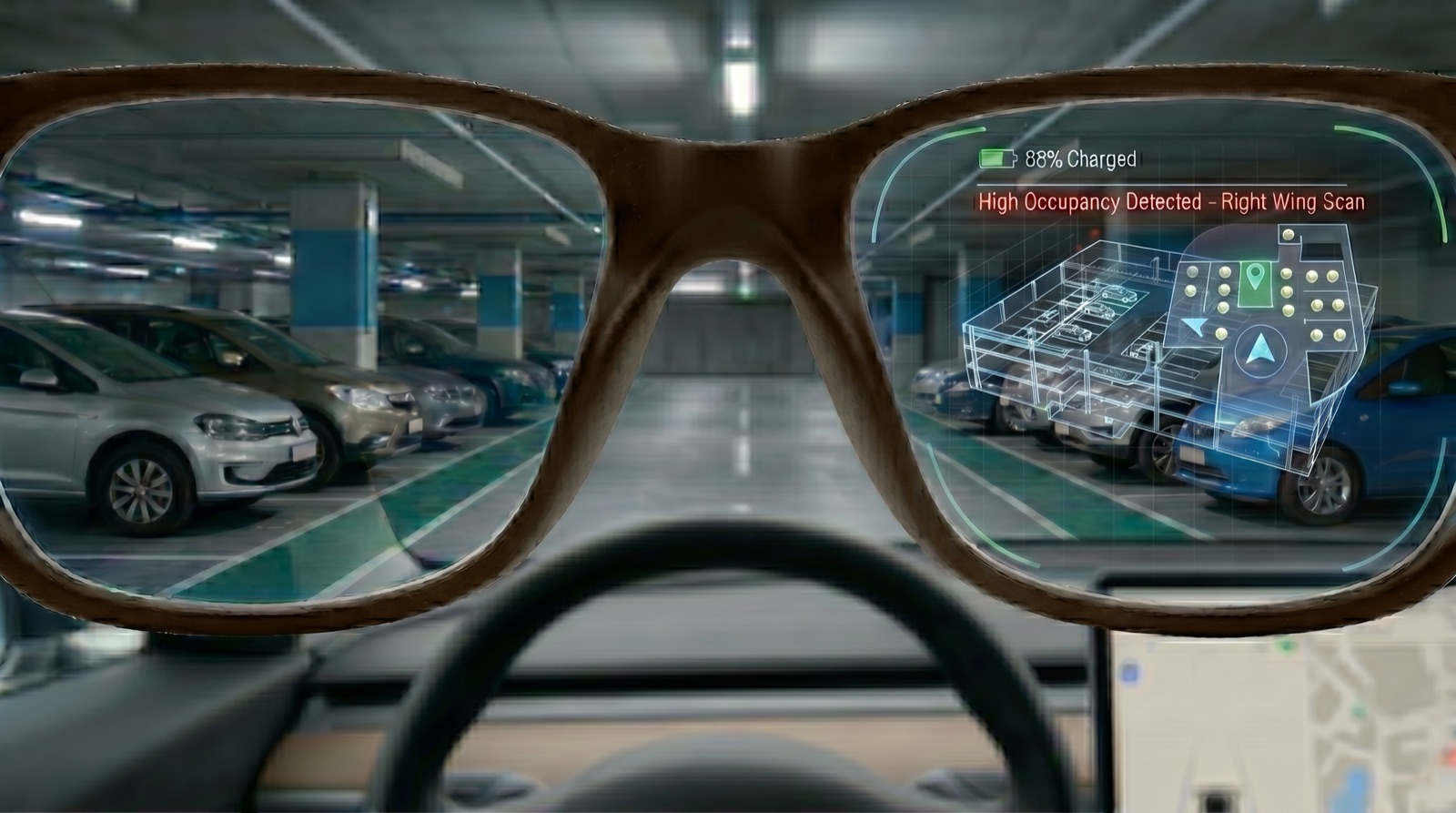
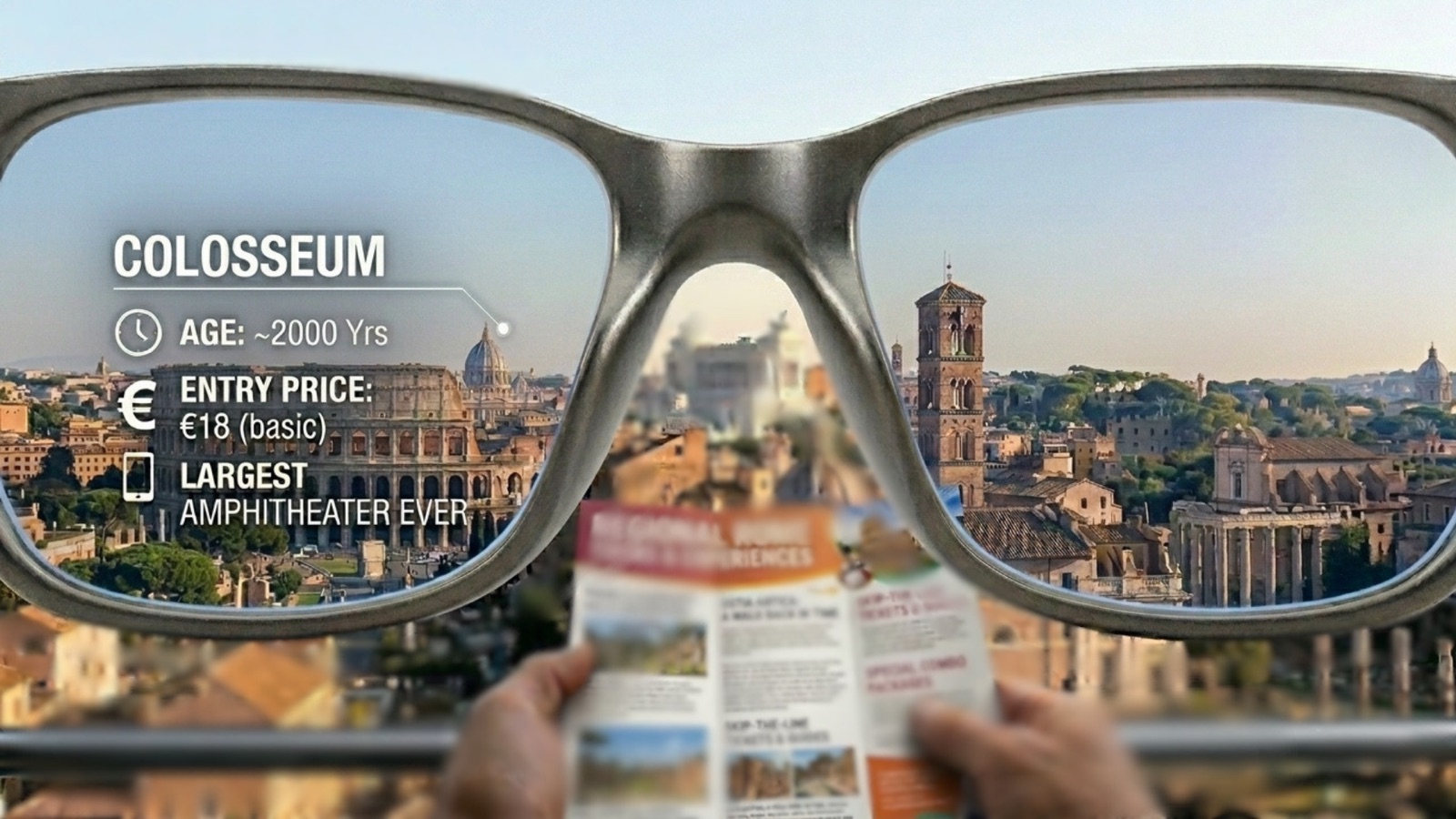
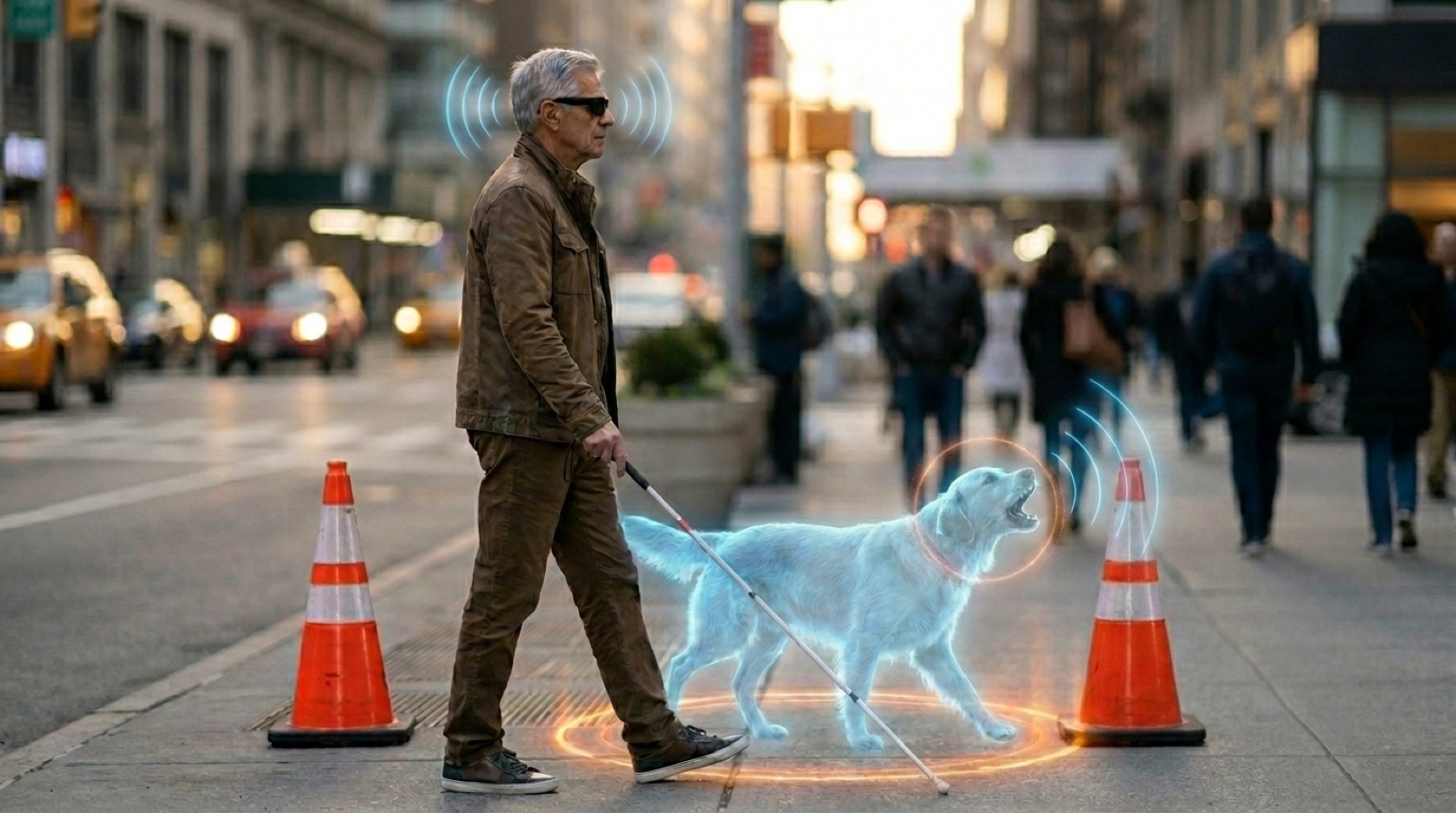
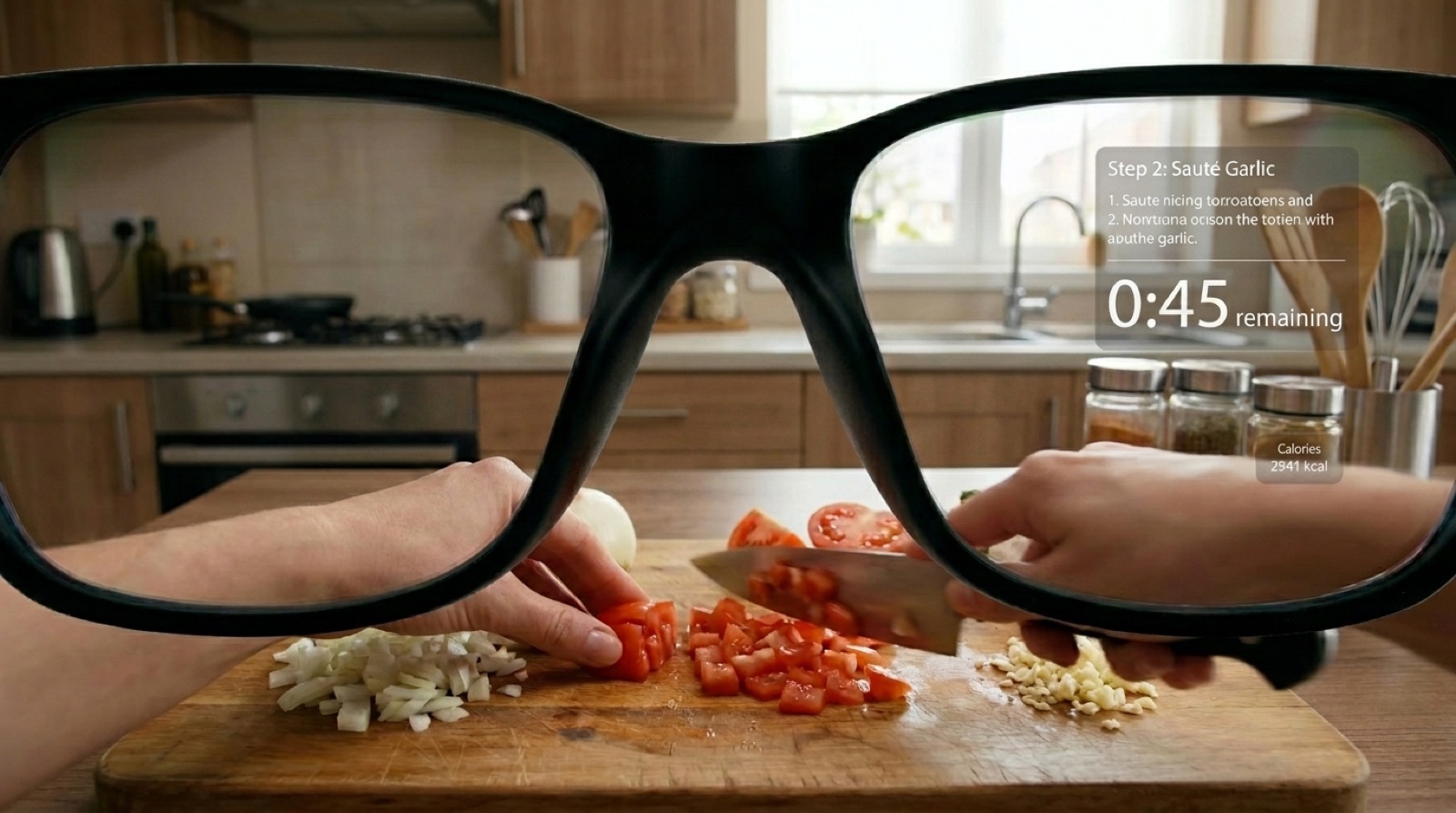
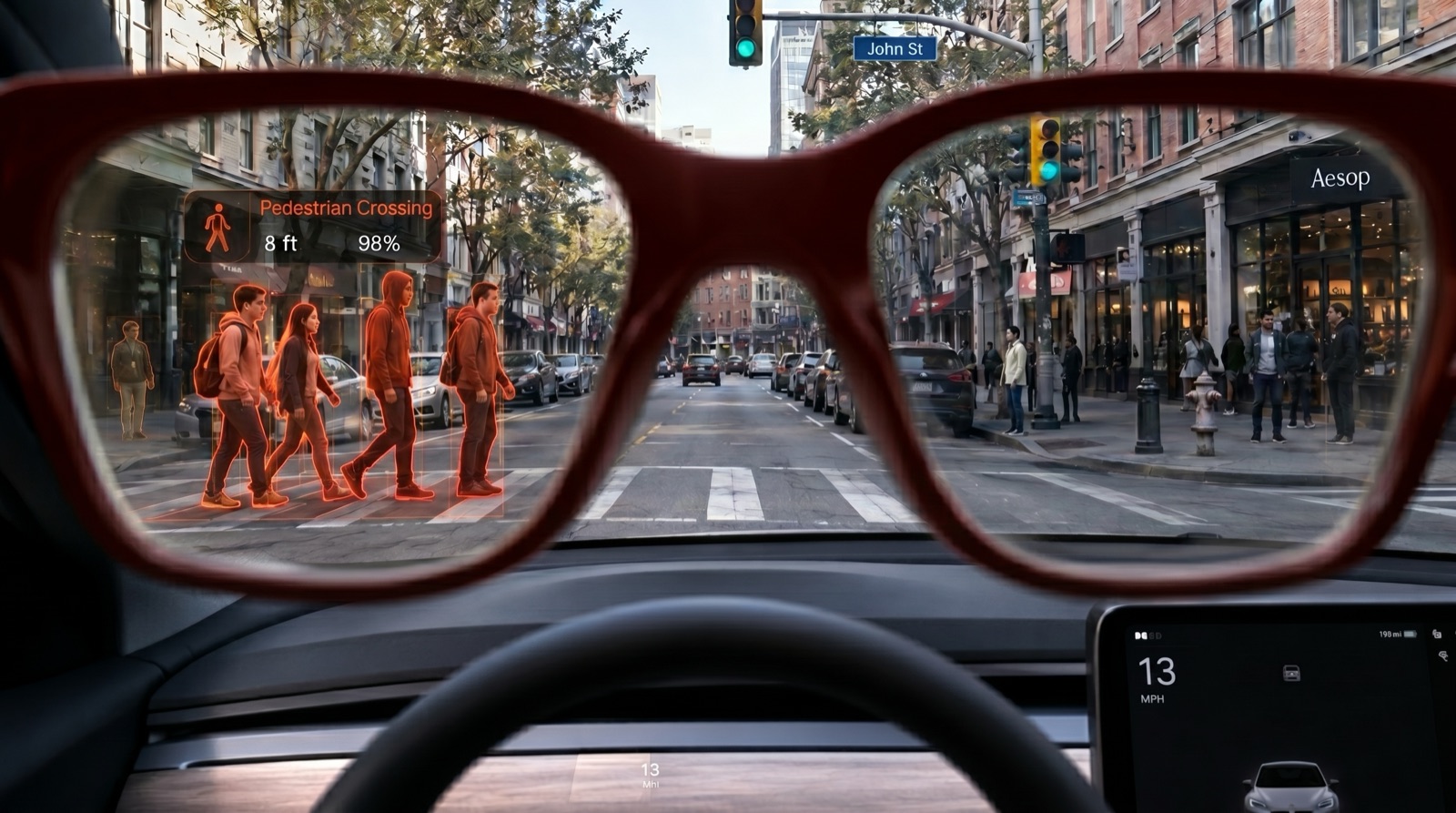
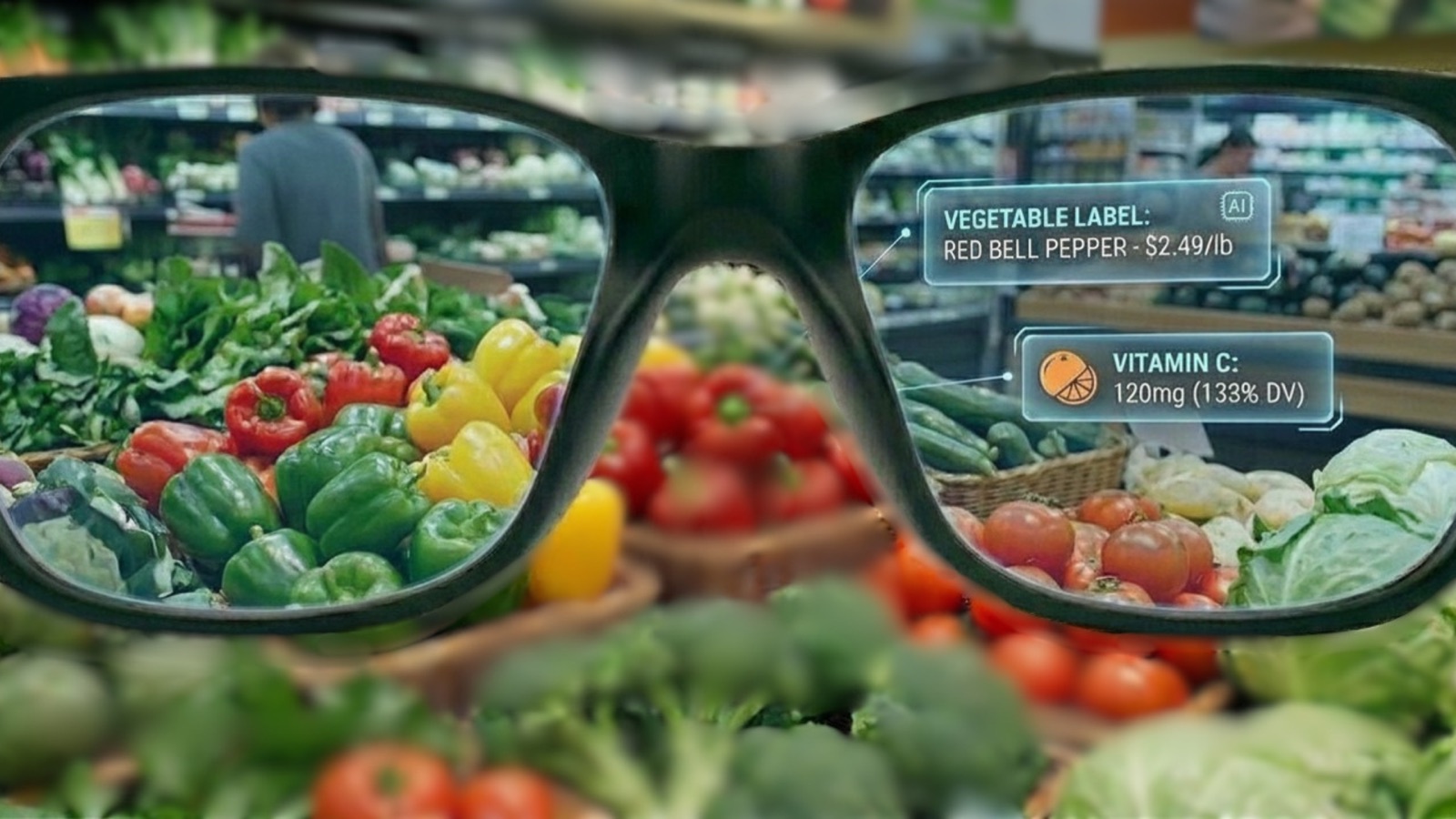
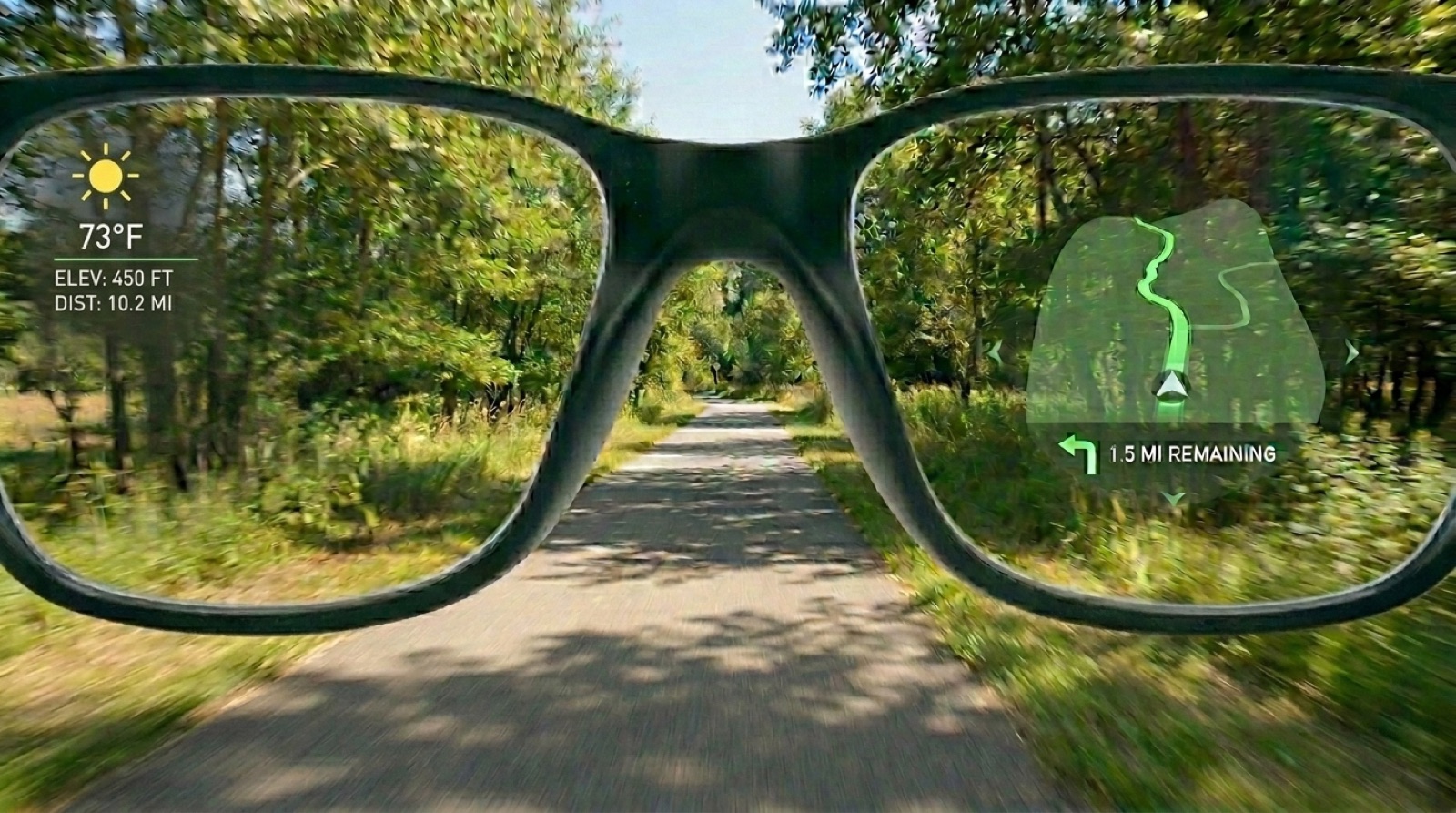
Orange puts AI intelligence directly in the user's line of sight. Enabling translation, recognition, assistance, and spatial workflows where phones and laptops fall short.

Our patents

Defensible IP across optics, display, sensing, and communications

Backed by patents invented by Darwin Hu, a 40-year microdisplay and semiconductor pioneer, across the core layers of wearable spatial computing.

31
patents

Platform defensibility across advanced optics, micro-display systems, sensing, scanning, communications, and AR / VR / MR hardware.

See patents

PVH optics

Core optical architecture for thin, wearable display systems.

LCoS and SLM

Display, spatial light modulation, and holographic systems foundation.

Meta-surface lens

Advanced miniaturized optics for compact wearable systems.

CMOS image sensor and scanning

Imaging, sensing, scanning, and optical integration.

Terahertz transceiver

Communications and biosensing potential beyond display alone.

AR / VR / MR glasses

Wearable spatial computing hardware and interface systems.

Team

A founding team spanning semiconductors, micro-display, and optics

Darwin Hu
Darwin Hu
Co-founder & CEO

Four decades across semiconductor and color micro-display, from chip design to production, launch, and sales. A repeat founder who has taken companies public and through M&A. Inventor of 100+ patents spanning LCoS, CMOS image sensing, terahertz transceiver, and AR/VR/MR glasses. Today he holds the PVH technology at the core of Orange.

Aaron Tsai
Aaron Tsai
Cofounder & Chief Capitalist

Thirty years on Wall Street and in US-China capital markets, from investment banking to venture capital and public listings. Founder of MAS Capital, and known on Wall Street as the “King of Shells”. He created 101 public shell companies in the 1990s before SPACs became mainstream, and has since guided over 30 companies to US public markets. As Co-Founder and Chief Capitalist of Orange, he leads capital strategy and the path to Nasdaq.

Leif Tang
Leif Tang
Cofounder

A Tsinghua-trained engineer with 20+ years advising enterprises across manufacturing, IoT, and intelligent systems in Greater China, and Deputy Director of the AI & Robotics Innovation Center at Tsinghua’s Hebei Development Research Institute. He anchors Orange’s access to China’s manufacturing ecosystem and institutional networks.

Darwin Hu’s track record
4 IPOs & exits
Syscan Technology Holdings
IPO · HKSE 2000
Document Capture Technology
IPO · Nasdaq 2005
Advanced Vision Research
Acquired · M&A
Jasper Display Corp (JDC)
Acquired · HOLOEYE Photonics & Others
100+ patents

Beyond Orange's core patents, Darwin is the inventor of 100+ patents spanning:

LCoS SLM Meta-surface lens CMOS image sensor & scanning Terahertz transceiver (comms & biosensing) AR / VR / MR glasses Fingerprint recognition

Orange's team brings hands-on experience from leaders across optics, micro-display, semiconductor, and technology:

Stanford logo UC Berkeley logo Meta logo LG logo AMD logo Acer logo Tokyo Tech logo Tsinghua logo eBay logo SAP logo HP logo Microchip logo Stanford logo UC Berkeley logo Meta logo LG logo AMD logo Acer logo Tokyo Tech logo Tsinghua logo eBay logo SAP logo HP logo Microchip logo
Markets

The next computing platform will not be limited to a single industry

Orange's optical architecture is designed to support AI‑native wearable computing across sectors where real-time information, spatial awareness, and hands-free interaction create measurable advantages.

Industrial field assistance

Hands-free instructions, inspection, remote expert support, and real-time operational context.

Hardware is >59% of AR revenue today. Field service is the most deployment-ready category.

Enterprise spatial workflows

Translation, recognition, navigation, training, and workflow overlays for distributed teams.

AR software is the fastest-compounding layer as deployments scale.

Defense and secure field computing

Lightweight, contextual visual interfaces for information-dense field environments.

Medical and professional visualization

Display systems for specialists who need information without losing awareness of the real world.

Healthcare is among the fastest-growing AR segments; strongest near-term fit is skills training and simulation.

Communications

THz transceiver research creates a path toward advanced communications and biosensing layers.

Consumer platform future

Consumer adoption becomes credible only when optics, weight, brightness, cost, and AI utility converge.

Smart glasses projected at >38% CAGR through 2033. Fastest-growing segment in AR hardware.

Market figures: IDC, Omdia, Grand View Research, UBI Research (2025 to 2033). Figures describe the broader AR market, not Orange revenue or traction.

Strategic partnerships

Innovation happens at the intersection of great technologies and partners

Orange collaborates with leaders across optics, AI, communications, and advanced manufacturing to shape the future of human-machine interaction.

Partner with Orange
Optics · AI · Reality